General Dentistry

Step-by-Step Dental Implant Process Explained
Are you considering dental implants but unsure about the process? Understanding the steps involved can help ease your mind and set realistic expectations. Implants are a popular solution for tooth replacement, offering a permanent, natural-looking solution for missing teeth. At Carabella Dental of Alexandria, we provide personalized care throughout the implant journey, from your first consultation to long-term aftercare.
In this blog, we will guide you through the entire dental implant process, step-by-step. By the end, you’ll have a clear understanding of what to expect at each stage, ensuring that you’re well-prepared for your treatment.
What Are Dental Implants?
Definition
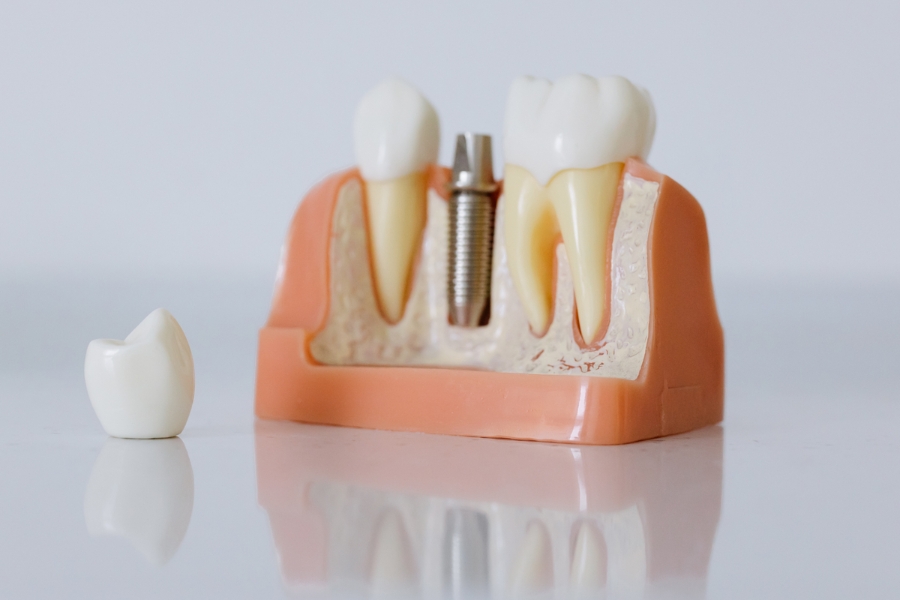
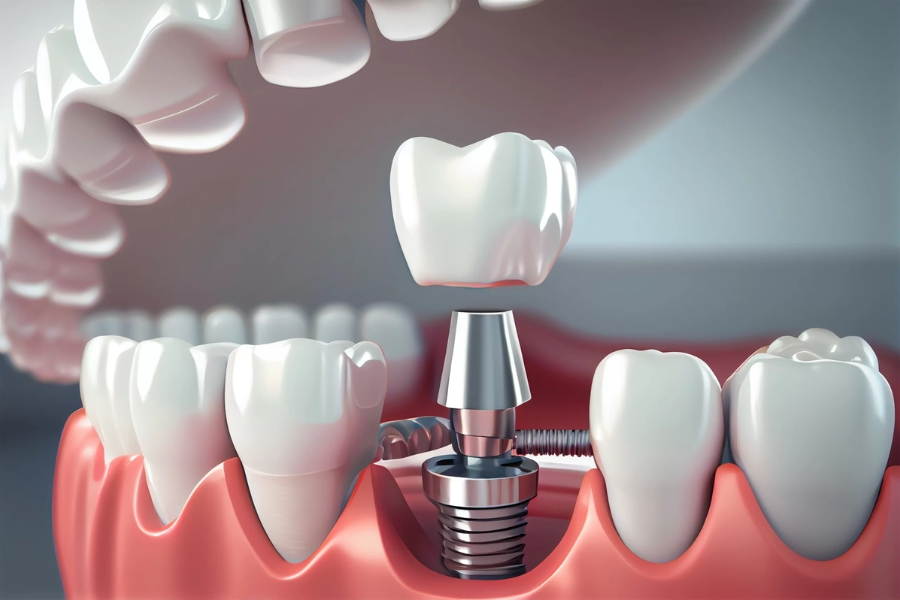
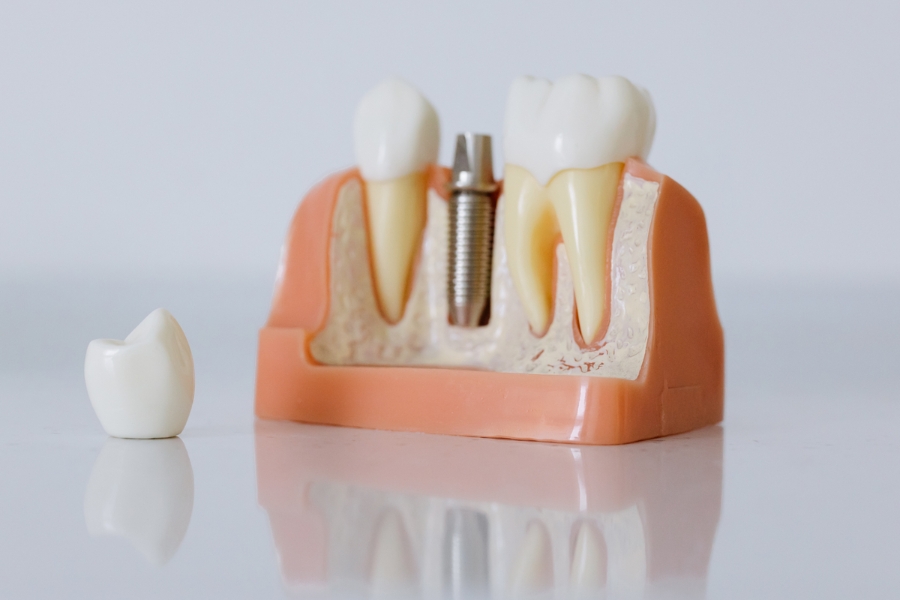
Dental implants are artificial tooth roots placed into the jawbone to support crowns, bridges, or dentures. Unlike removable dentures, these artificial tooth roots are a permanent solution that mimics the natural structure of teeth. The implant itself is typically made of titanium, which integrates with the bone to provide a stable foundation for the restoration placed on top.
Why They Work
Dental implants are often considered superior to other tooth replacement options like bridges or dentures. They offer several benefits, including:
- Durability: Implants are designed to last for many years, sometimes even a lifetime, with proper care.
- Natural Appearance: The crown placed on the implant looks and feels just like a natural tooth, enhancing your smile.
- Bone Preservation: Implants help stimulate the jawbone, preventing the bone loss that can occur when teeth are missing for a long time.
With these advantages, implants are a popular choice for individuals seeking a long-term solution to missing teeth.
Different Steps of the Dental Implant Process
Step 1: Consultation and Evaluation
Pre-Surgery Consultation
The first step toward getting a dental implant in Alexandria is scheduling a consultation with your dentist. During this visit, your dentist will conduct a thorough examination, including taking X-rays or 3D scans of your mouth and jaw. These images will help determine the health of your gums, the quality of your jawbone, and whether you are a good candidate for the procedure.
Assessing Candidacy
Not everyone is a suitable candidate for these prosthetic teeth. Ideal candidates are those with healthy gums and sufficient bone density to support the implant. If you lack enough bone in your jaw, your dentist may recommend a bone graft procedure to create a stable foundation for the implant. Additionally, good oral hygiene and overall health are important factors in determining candidacy.
Step 2: Preparing the Site (If Necessary)
Bone Grafting
In some cases, the jawbone may not be dense enough to support an implant. If this is the case, your dentist will recommend bone grafting to rebuild the bone structure. This procedure may take a few months to complete, but it ensures the implant has a strong foundation.
Sinus Lift
For patients with deficiencies in the upper jaw, particularly in the back of the mouth, a sinus lift may be required. This procedure adds bone to the upper jaw by lifting the sinus cavity to create space for the implant.
Step 3: The Implant Surgery
Procedure Overview
The actual implant surgery involves placing a titanium post into the jawbone. This post acts as the root of the new tooth. The surgery is typically done under local anesthesia, but if you’re anxious, sedation options are available to ensure comfort during the procedure.
Anesthesia Options
Local anesthesia numbs the treatment area, ensuring a pain-free experience. In some cases, patients may opt for IV sedation, which helps them relax throughout the surgery.
Recovery Time
After the procedure, you may experience some swelling and discomfort, but this usually subsides within a few days. Your dentist will provide instructions on how to manage discomfort and care for the surgical site during the healing period.
Step 4: Osseointegration (Healing Period)
Healing Process
Osseointegration is the process by which the implant fuses with the surrounding bone. This is a critical step, as the implant needs to be securely anchored to the jaw. This phase can take anywhere from 3 to 6 months, depending on individual healing rates.
Follow-Up Visits
During the healing period, your dentist will schedule follow-up visits to monitor the implant’s progress and ensure everything is healing properly. X-rays or scans may be taken to confirm that the implant is integrating well with the bone.
Step 5: Attaching the Abutment
What Is the Abutment?
Once the implant has fully integrated with the bone, an abutment is placed on top. The abutment connects the implant to the final restoration (the crown, bridge, or denture). This is a minor procedure that can typically be done with local anesthesia.
Procedure Details
During the abutment placement, your dentist will make a small incision in the gums to expose the implant. The abutment is then screwed into place. After the procedure, you may experience some soreness, which should subside within a few days.
Step 6: Placing the Final Restoration (Crown, Bridge, or Denture)
Restoration Options
Once the abutment is in place, your dentist will take impressions of your mouth to create a custom crown, bridge, or denture. These restorations are designed to blend seamlessly with your natural teeth, ensuring a comfortable and aesthetic fit.
Fitting and Adjustment
After the restoration is crafted, your dentist will fit it onto the abutment. Adjustments will be made to ensure the bite is comfortable and the restoration functions properly.
Step 7: Aftercare and Maintenance
Post-Surgery Care
After the procedure, it’s essential to follow your dentist’s instructions for caring for the implant site. This may include avoiding certain foods, taking prescribed medications, and keeping the area clean to prevent infection.
Long-Term Care
Dental implants require regular maintenance, just like natural teeth. You should continue practicing good oral hygiene by brushing, flossing, and scheduling regular dental checkups. Avoiding smoking and certain foods can help prolong the life of your implant.
Benefits of Dental Implants
Why Choose Implants?
Dental implants offer several key benefits, making them the preferred choice for tooth replacement:
- Improved Speech: Implants allow for clearer speech, as they function just like natural teeth.
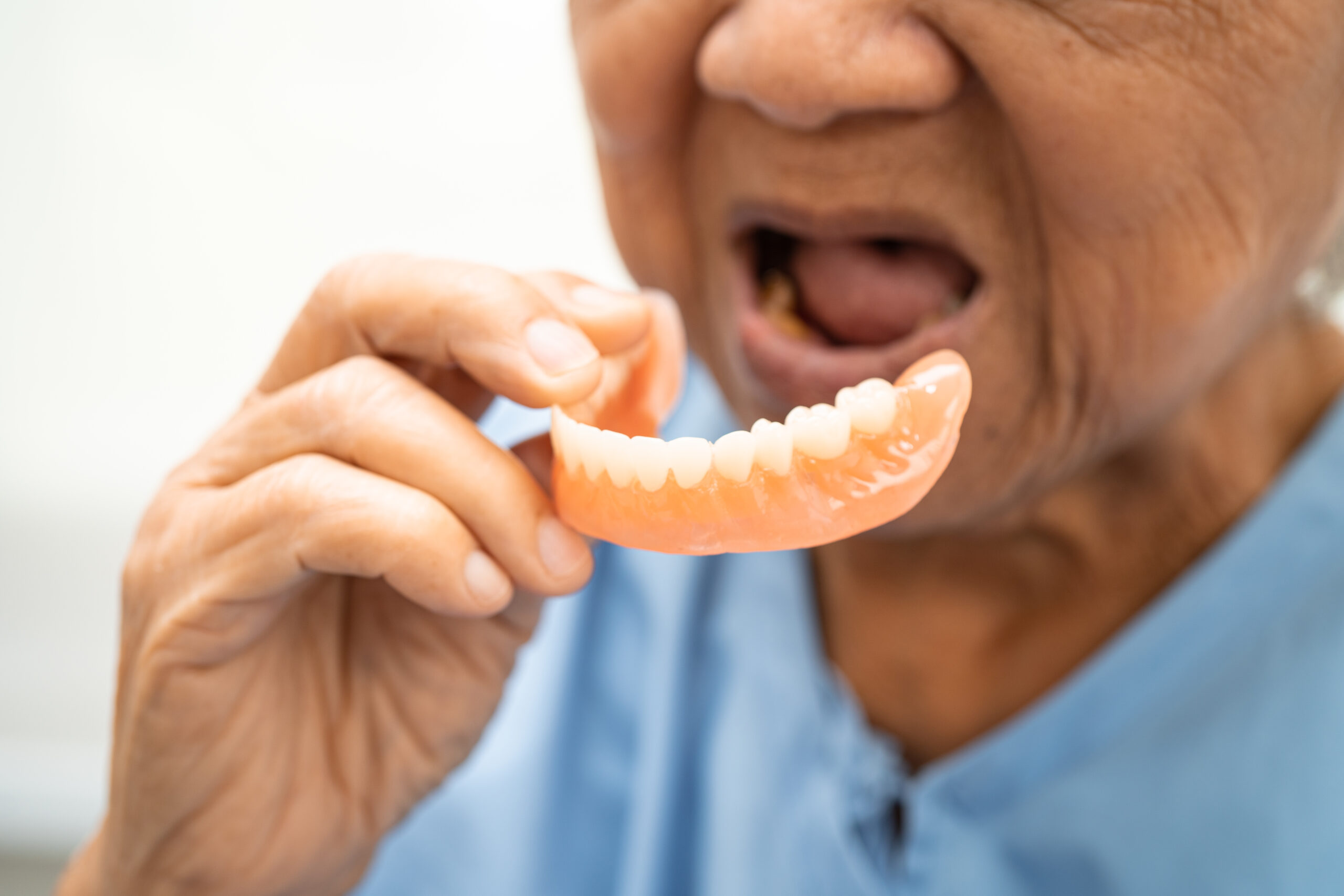
- Better Comfort: Unlike removable dentures, implants are securely anchored in your jaw, providing a comfortable fit.
- Enhanced Chewing Ability: With dental implants, you can eat your favorite foods without worrying about discomfort or difficulty chewing.
- Long-Term Durability: A dental implant in Alexandria is designed to last for many years, providing a long-term solution for tooth replacement.
At Carabella Dental of Alexandria, we specialize in providing these artificial teeth that restore your smile and improve your quality of life.
Are Dental Implants Right for You?
Candidacy Criteria
Ideal candidates for dental implants include those with healthy gums, sufficient bone density, and a commitment to maintaining good oral hygiene. If you are in good overall health and looking for a permanent solution to missing teeth, dental implants may be the right choice for you.
Consult a Professional
The best way to determine if dental implants are right for you is to schedule a consultation with an experienced dental professional. At Carabella Dental of Alexandria, our team will assess your oral health and help guide you through the process.
The dental implant process is a comprehensive procedure designed to restore your smile and function. From the initial consultation to the final restoration, each step is carefully planned to ensure the best results. If you’re considering dental implants, we invite you to book a consultation with us today.
Contact Carabella Dental of Alexandria to learn more about how dental implants can improve your smile and confidence.
People Also Ask
How long do dental implants last?
With proper care, dental implants can last a lifetime, making them a durable and long-term tooth replacement option.
How long does it take to get a dental implant?
The entire process can take several months, including healing time, but the implant itself is placed in one visit.
How do I care for my dental implants?
Dental implants should be cared for like natural teeth—regular brushing, flossing, and dental checkups are essential to their longevity.
What is the recovery time after dental implant surgery?
Most patients experience mild swelling and discomfort for a few days, with full healing taking 3-6 months for osseointegration.
Can I eat normally with dental implants?
Yes, once your implant has fully healed and the restoration is in place, you can eat your favorite foods comfortably.