General Dentistry

Invisalign vs. Braces: Which Is Better for Teens?
When it comes to improving your teen’s smile alignment, the decision between Invisalign and traditional braces can be daunting. Both options offer practical solutions, but the choice depends on your teen’s lifestyle, comfort preferences, and the kind of results you want to see. As a parent, knowing the advantages and disadvantages of each will help you make the right decision for your child.
In this post, we’ll dive deep into the differences between Invisalign and braces, and help you decide which one is the best option for your teen.
Invisalign: A Modern Approach to Straight Smiles
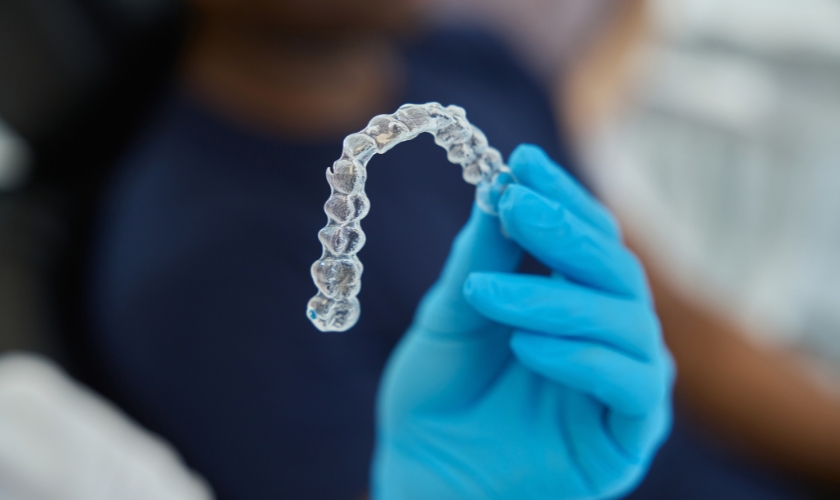
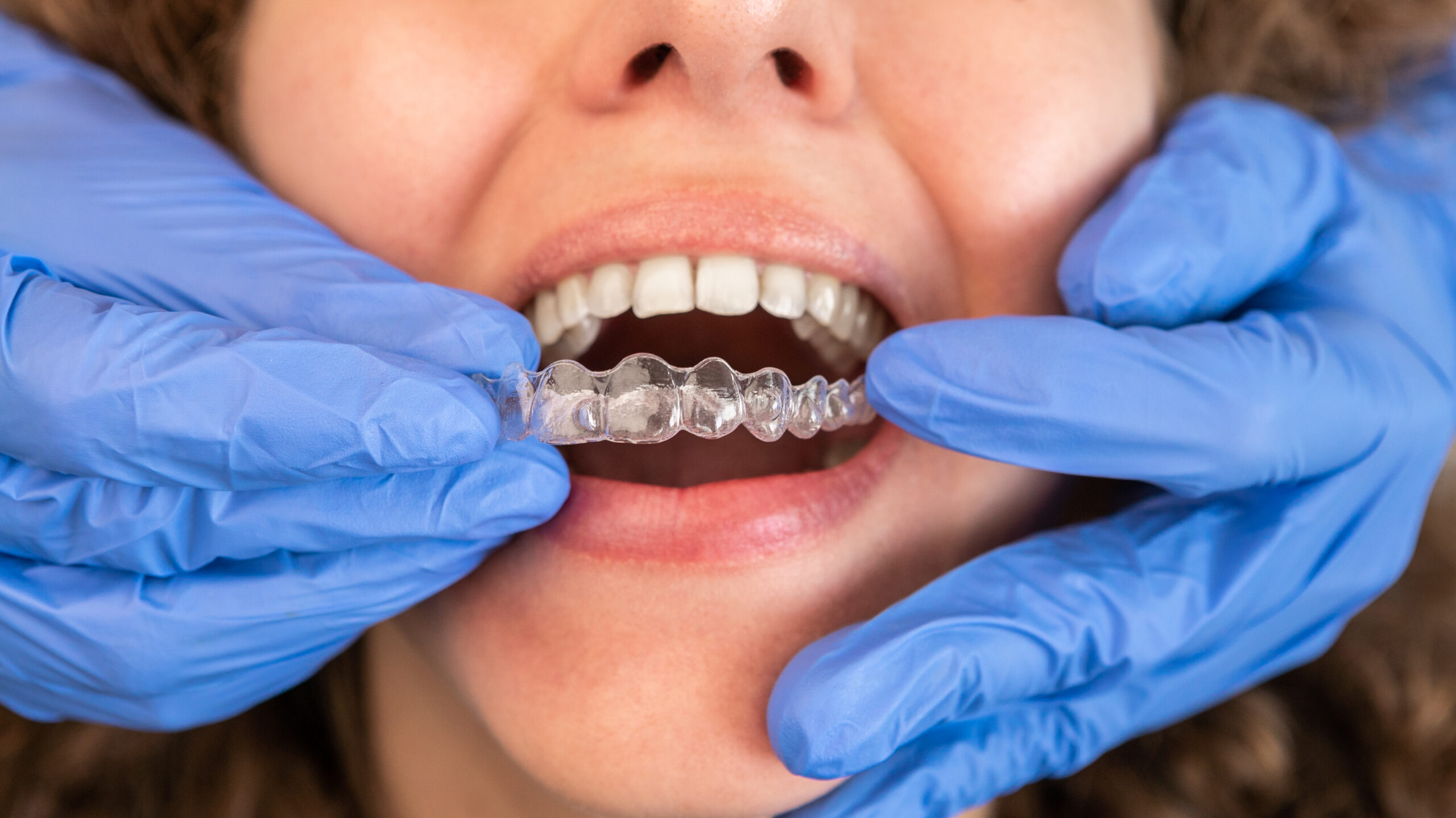
Invisalign has become a popular alternative to traditional braces due to its discreet, comfortable design. This innovative treatment uses a series of clear, removable aligners that gradually shift teeth into the desired position. Here are the reasons why many teens in Alexandria are opting for Invisalign:
1. Discreet Appearance
One of the best features of Invisalign is its near-invisibility. The clear aligners are barely noticeable, which is a major advantage for teens who may feel self-conscious about wearing metal braces. This can be especially important for teens in Alexandria, where confidence is key during school activities and social events.
2. Comfort and Convenience
Unlike traditional braces, which use wires and brackets, Invisalign aligners are smooth, reducing the discomfort associated with conventional braces. Plus, because Invisalign aligners are removable, teens can eat and drink whatever they like, without worrying about food getting stuck in their braces. This flexibility is something that braces can’t offer.
3. Easy to Maintain
According to an Invisalign dentist in Alexandria, another great advantage of Invisalign is that it’s easy to keep your teen’s teeth clean. Since aligners are removable, brushing and flossing are easier than with braces, which can trap food particles in brackets and wires.
4. Shorter Treatment Time
For many teens, Invisalign can provide quicker results. Depending on the severity of the case, treatment with Invisalign may take less time than traditional braces. This means your teen could have a beautiful, straight smile in a shorter period of time.
Traditional Braces: A Tried-and-True Method
Traditional braces, though often considered less comfortable and more visible than Invisalign, are still the go-to choice for many teens. While Invisalign has significant benefits, braces also offer unique advantages.
1. Highly Effective for Complex Cases
Braces are often the preferred option for more severe dental issues, such as extreme overbites, underbites, or severely crooked teeth. For teens with more complex dental needs, braces are often the more effective choice because they offer greater precision in controlling tooth movement.
2. No Risk of Losing Aligners
With traditional braces, there’s no risk of misplacing or losing the appliance, which can sometimes happen with Invisalign aligners, especially with younger teens who may forget to put them back in after meals.
3. Fewer Doctor Visits
Although both treatments require regular check-ups, braces tend to require fewer adjustments. Invisalign aligners are replaced every few weeks, while braces require adjustments to the wires, bands, and brackets, which may involve more frequent visits to the dentist.
4. Suitable for All Ages
Braces are effective for people of all ages, and they offer long-lasting results that many patients are happy with. Whether it’s for a teen or an adult, braces can be a suitable option for those seeking a permanent solution to straightening their teeth.
Which One is Right for Your Teen?
Both Invisalign and braces offer unique advantages and challenges. When considering which treatment is best for your teen, think about their lifestyle, their dental issues, and their personal preferences. Here are some factors to consider:
- Lifestyle: If your teen is involved in sports or extracurricular activities in Alexandria, the ability to remove the aligners may be beneficial. Invisalign’s flexibility makes it easier for them to continue with their daily oral hygiene routine without interference.
- Comfort: If comfort is a top priority for your teen, Invisalign’s smooth plastic aligners may be the more comfortable choice.
- Severity of the Issue: For more complex cases, traditional braces might be necessary for more precise results.
- Appearance: If your teen is concerned about their appearance during treatment, Invisalign offers a more discreet and invisible solution.
The Role of an Invisalign Dentist in Alexandria
Consulting with an Invisalign dentist in Alexandria is essential in deciding which treatment option is right for your teen. An Invisalign dentist will evaluate the severity of the dental issue, the teen’s lifestyle, and their preferences to recommend the most suitable solution.
At Carabella Dental, we pride ourselves on offering personalized care and expertise in Invisalign treatment. If you’re ready to take the next step toward a straighter smile for your teen, our skilled Invisalign professionals can guide you every step of the way.
Which Option Should You Choose?
Choosing between Invisalign and braces for your teen’s dental treatment is a personal decision. For those seeking a more discreet, comfortable, and flexible option, Invisalign might be the best choice. However, for more complex cases that require precise control, traditional braces might be the more effective solution.
To make an informed decision about the best treatment for your teen’s needs, consult with a local and trusted Invisalign dentist who can guide you through the options and help your teen achieve a smile they’ll love for years to come.
FAQs
1. How long does Invisalign treatment take for teens?
Invisalign treatment typically lasts between 12-18 months, depending on the complexity of the dental issue. However, some teens may experience quicker results.
2. Are there any food restrictions with Invisalign?
Unlike traditional braces, there are no food restrictions with Invisalign. Since the aligners are removable, your teen can eat all their favorite foods without worrying about damaging the appliance.
3. Do braces take longer to straighten teeth than Invisalign?
In some cases, yes. Treatment with traditional braces may take longer, especially for more complex dental problems. Invisalign is often faster for mild to moderate cases.
4. Can my teen play sports with Invisalign or braces?
Both Invisalign and braces allow teens to play sports. However, if your teen plays contact sports, Invisalign aligners can be removed, whereas braces may require extra care to avoid injury to the gums and mouth.
5. Can my teen switch to Invisalign after having braces?
Yes, in some cases, teens who have had braces can switch to Invisalign for finishing treatment. Your dentist can evaluate if this is a viable option.