
General Dentistry

Signs of Gum Disease Alexandria Residents Shouldn’t Ignore
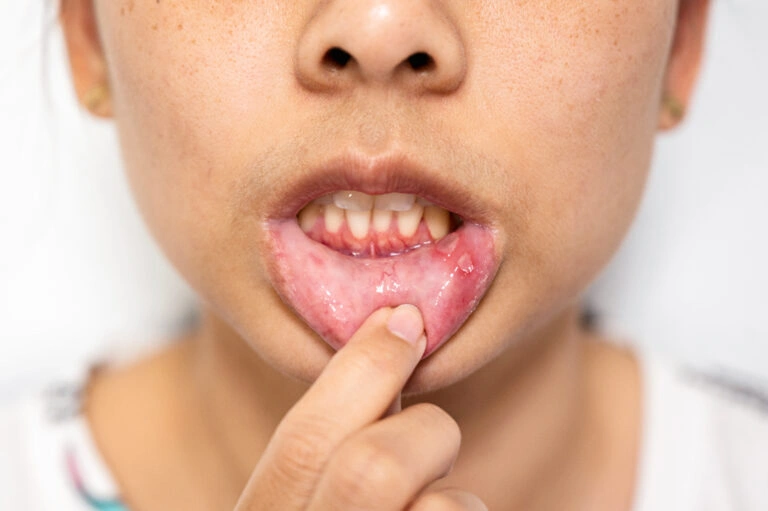
Gum disease, or periodontal disease, is another one of those nasty oral health problems that tends to sneak up on you in its early stages. People brush and floss daily but tend to ignore the early warning signs of gum disease until it worsens. Alexandria residents need to take special care of their gums, as gum disease can impact not only oral health but also overall health.
In this blog, we will explore the common signs of gum disease that you should never ignore. By learning about these symptoms, you will be able to act early and prevent more complex problems that can be difficult to treat. Those facing gum problems may find themselves at a periodontist’s office in Alexandria, where they will be treated.
The Stages of Gum Disease
Gum disease begins as mild gingivitis and, if left untreated, advances to more severe periodontal disease. In these early stages, gum disease may be relatively painless, and ignoring its signs can increase the risk of more serious health issues. While gum disease is most commonly associated with red, swollen gums and bad breath, it can advance to the point of damaging the tissues that support your teeth, leading to tooth loss if left untreated.
1. Red, Swollen Gums
Red, swollen gums are one of the most common early signs of gum disease. Healthy gums should be firm and light pink. Swollen, red, or inflamed gum tissue is a sign that something is going wrong. The source of swollen gums is the buildup of plaque and certain types of bacteria that irritate the gum tissue and trigger inflammation.
2. Bleeding Gums
Bleeding gums are another major sign that should not be neglected. This usually happens during brushing or flossing, and while annoying, it may be a sign of gingivitis, the earliest stage of gum disease. If your gums bleed consistently, getting periodontal treatment in Alexandria from a dental professional is key. Bleeding gums are a nasty early warning sign that your gums are less healthy than they should be.
3. Persistent Bad Breath (Halitosis)
Gum disease often has bad breath as a side effect. Gum disease is known to eradicate the bacteria that cause it, which can create a rotten smell and result in bad breath even after brushing. Between brushing, dental care, and flossing, if you notice your breath is still bad, it could be a sign that your gums are infected.
4. Receding Gums
Receding gums happen when the gum tissue retracts from the teeth, exposing more of a tooth’s surface. This is a more advanced form of gum disease and can make your teeth look longer than they’re meant to be. Receding gums can also cause increased sensitivity to hot or cold temperatures when the tooth roots are exposed.
5. Pus Between Teeth and Gums
If you see any pus between your gums and teeth, this is an obvious indicator of infection. It is commonly performed with pain, swelling, and tenderness in the area. Gum disease may also cause pus to form, which is a sign that your gums are battling an infection.
6. Loose Teeth or Shift in Bite
Gum disease will increasingly weaken the ligaments and bones that support your teeth. This can result in loose teeth or changes in how your teeth fit when you bite down. If you still notice any changes in your bite or sensitive, loose teeth, contact the periodontist in Alexandria promptly.
What Causes Gum Disease?
Periodontitis is caused when plaque on the teeth mineralizes into calculus. Plaque is a slimy film of bacteria that develops on your teeth after eating. If plaque is not removed through brushing and flossing, it can become hardened into tartar, irritating the gums and ultimately leading to inflammation. Eventually, the infection can spread deeper into the gum tissues, damaging the bone and ligaments that support your teeth.
How to Prevent Gum Disease
It is relatively easy to avoid gum disease if you follow a regular oral hygiene routine. Here are some important habits to remember for keeping your gums healthy:
- Brush twice daily with fluoride toothpaste.
- Floss once a day to help remove plaque between your teeth.
- Get regular professional cleanings and check-ups from a dentist.
- Don’t smoke, because smoking can increase your risk for gum disease.
- Eat healthy food that helps out your general mouth health as well.
Good oral hygiene is imperative, but routine checkups with a periodontist are crucial for catching early signs of gum disease and treating it accordingly.
When to See a Periodontist
If you are seeing any of the signs of gum disease above, it’s important to contact a periodontist. Gum specialists are trained to treat advanced-stage gum disease, ensuring that you receive the appropriate treatment necessary to get your gums healthy again. This helps prevent more serious oral health problems. Here are some times when you should seek help from a periodontist:
- Gums that Bleed Regularly: Bleeding of the gums while brushing or flossing regularly means that you may have gum disease. A periodontist can perform a thorough examination and recommend the appropriate course of treatment.
- Persistent Bad Breath: Halitosis that does not respond to brushing and flossing may indicate an underlying gum infection. A periodontist can help assess whether gum disease is to blame.
- Swollen or Inflamed Gums: Swollen gums or redness that won’t go away might be a sign that your gums are infected. Visiting a periodontist can help prevent this from getting worse.
- Loose Teeth or Shifting Bite: If the teeth feel loose or the bite feels different, this can indicate advanced gum disease. A periodontist can properly assess the extent of damage and recommend an appropriate treatment.
- Receding Gums: Receding gums expose tooth roots, leading to heightened sensitivity and possible loss. This condition can be treated by a periodontist who can also help restore gum tissue.
A professional examination is always recommended if you’re unsure about the condition of your gums. Getting treated early on can greatly help minimise damage and protect a healthy smile.
Guarding Your Gums with Periodontal Services
Don’t wait until it’s too late to treat gum disease if you have any of its symptoms. Diagnosis of an oral health state can prevent gum disease from progressing. Carabella Dental of Alexandria is here to provide you with professional periodontal treatment to keep your gums healthy and your smile looking great.
If you have noticed signs of gum disease or have concerns regarding your oral health, it’s time to contact us for an appointment. We’re here to help you with healthy gums and a beautiful smile! Schedule your consultation with a dentist and take the first step towards healthier gums today!
Questions People Ask About Gum Disease
1. What are the first signs of gum disease?
The first signs of gum disease include red, swollen gums, bleeding when brushing, bad breath, and gum tenderness. Early detection is crucial for preventing progression, so regular checkups and good oral hygiene are important.
2. Can gum disease be reversed?
Gingivitis, the earliest stage of gum disease, can be reversed with proper oral hygiene and professional cleaning. However, advanced stages of gum disease require periodontal treatment to prevent further damage and restore gum health.
3. What happens if gum disease goes untreated?
Untreated gum disease can lead to tooth loss, bone deterioration, and serious health issues like heart disease. Prompt treatment is essential to prevent these complications and protect your overall health.
4. Can gum disease affect your overall health?
Yes, untreated gum disease can increase the risk of heart disease, diabetes, and stroke. Maintaining healthy gums is important not only for your oral health but also for your overall well-being.
5. How can I stop my gums from bleeding?
To stop bleeding gums, practice good oral hygiene, brush gently with a soft toothbrush, floss daily, and visit your periodontist for professional cleanings. Avoiding smoking can also help improve gum health.