
General Dentistry

How Dental Crowns Protect and Strengthen Damaged Teeth
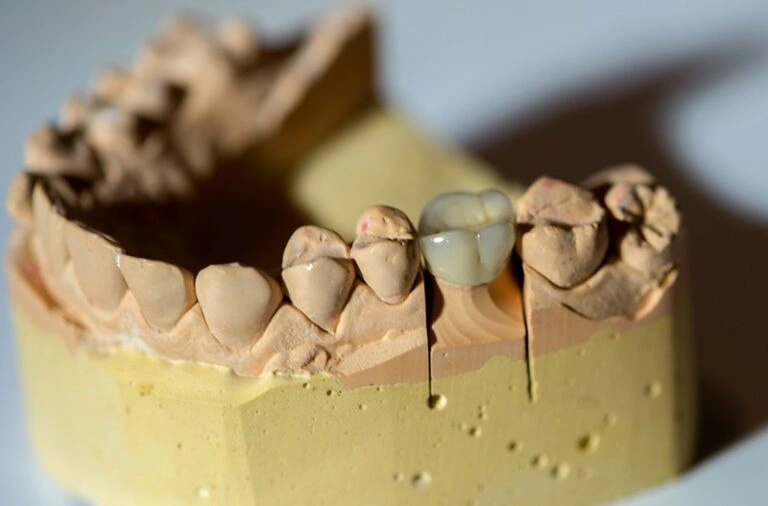
Certain teeth are damaged due to decay, wear, or trauma and must be restored to function and to their original appearance. This is where dental crowns step in, offering a practical solution for shielding and strengthening damaged or weakened teeth. These covers fit completely over the visible part of a tooth and address both form and function, helping you smile once more!
Whether chipped or pitted, sometimes dental crowns may be just what you need, especially if you have a cavity that’s too big for a filling. In this blog, we will see how dental crowns protect flawed teeth, their significance, and the procedures involved.
What Are Dental Crowns and Why Do You Need Them?
A dental crown is a custom covering placed over a compromised tooth. It aids in regaining its shape, size, strength, and level of functionality. A dental crown should be viewed as a “cap” that tightly fits over your tooth, providing a robust shield, if you will, to help protect your teeth from the natural wear and tear of regular use.
The crown serves as a protective layer, covering the tooth and providing structural support over time. Hence, dental crowns in Alexandria are highly recommended in cases where more than 50% of the tooth is affected by decay, root canal, or fracture. If those damaged teeth are not restored, they may be susceptible to further damage or infection, which may require more invasive treatment or tooth extraction.
How Do Dental Crowns Work?
Dental crowns are meant to be a permanent way of protecting your damaged teeth. When a crown is placed over a weakened tooth, it absorbs the pressure from biting and chewing to prevent further damage to the underlying tooth. The method designed for tooth crowns is robust and durable, ensuring they can withstand the pressure inherent in your daily life.
Dental crowns come in various materials, including porcelain, ceramic, and metal alloys, each with its own advantages. Porcelain crowns are one of the most widely used materials for crowns by Alexandria citizens because they resemble natural teeth and have a longer lifespan compared to other materials, so they make great options for front teeth. Metal crowns can be used for less visible teeth that need more strength.
The Dental Crown Process
A dental crown typically requires two appointments. Here is what you can expect in each of your visits:
- Initial Consultation and Tooth Preparation: Your dentist will evaluate the damaged tooth and take X-rays to determine the extent of the damage on your first visit. The dentist may need to remove the tooth and remove a portion of the enamel to ensure the crown is snug. A filling will be placed to rebuild the tooth in cases of severe decay, and a crown will then be placed. After the tooth has been prepared, the dentist will take an impression of the tooth in order to mold a crown that fits well. A temporary crown will be fitted to protect the tooth while a permanent one is made.
- Crown Placement: During the second visit, your dentist will evaluate the fit and color of the permanent crown and then bond it to your tooth. Once it’s verified as perfect, the crown will be permanently affixed. Firstly, this process is fast, and you will see immediate results as your tooth is restored to its natural shape.
Benefits of Dental Crowns
One of the most important advantages that dental crowns provide is their durability. Some of the key benefits include:
- Protection: Crowns also serve as a protective barrier, covering the weakened tooth and preventing further damage. This can shield your tooth from cracks, fractures, or further decay.
- Strength: Scenes give damaged teeth the essential toughening they want, allowing them to resist common chewing stresses without corrupting the tooth’s integrity.
- Enhancement of Appearance: Dental crowns can improve the look of your teeth. Understanding that porcelain and ceramic crowns are made to match the color of your natural teeth gives you a seamless, natural look.
- Durable Restoration: A dental crown can last for many years when maintained properly, making it a long-term solution for repairing stained or damaged teeth.
Common Reasons for Dental Crowns
There are conditions or dental treatments that may require a dental crown, such as:
- Large Cavities: When a cavity is too deep for a simple filling, a crown may be needed to restore the tooth’s strength and shape.
- Root Canal Therapy: The tooth may be weak and brittle after root canal treatment. The crown will protect the tooth and restore function.
- Fractured Breaks: If your tooth is fractured or broken, a crown may be needed to prevent further splitting and restore proper function.
- Cosmetic Use: Dental crowns can also be utilized to enhance the appearance of teeth that have become abnormal, stained, or disfigured.
Care And Maintenance Of Dental Crowns
Once you have your dental crown in place, caring for it properly is important to help ensure that it remains strong and durable for as long as possible. With just a few simple maintenance steps, you can maintain your crown and surrounding teeth in great condition.
1. Maintain Good Oral Hygiene
Regular brushing and flossing can help prevent plaque buildup around the crown, minimizing the potential for gum disease or decay. Make sure to brush at least twice a day and floss daily, focusing on the area around the crown.
2. Avoid Hard Foods
Avoid chewing on hard foods such as popcorn, ice, candy, or nuts. These can put too much pressure on your crown, which may cause it to crack or loosen.
3. Don’t Use Teeth as Tools
Do not use your teeth to open packages or chew on non-food items. This habit can weaken the crown and add unwanted pressure on your teeth.
4. Watch for Discomfort
If you have any pain or your crown feels loose, just make sure to contact your dentist for an adjustment. Prompt attention can help avoid further complications.
These tips can help you prolong the life of your dental crown while ensuring good oral hygiene.
Ready to Restore Your Smile?
Our team at Carabella Dental of Alexandria knows that you want to protect and strengthen your damaged teeth. Using the latest technology and a caring manner, we strive to help you achieve your best dental crown. We stop at nothing to help you show off your smile; we want your teeth to be usable, functional, and look amazing.
Are you having a damaged tooth and considering a dental crown? Our team of highly skilled professionals is committed to offering personalized care and exceptional dental crowns in Alexandria, helping you regain your smile and oral health. Call us today to schedule an appointment and learn how we can defend your teeth while giving them a boost!
Questions People Ask About Dental Crowns
1. How long do dental crowns last?
Dental crowns typically last between 10 and 15 years with proper care. Regular brushing, flossing, and routine dental check-ups can extend their longevity, ensuring they remain in good condition and continue to protect your teeth effectively.
2. Do dental crowns hurt when applied?
No, getting a dental crown is usually painless. Your dentist will numb the area with local anesthesia to ensure you are comfortable during the procedure, making the process smooth and pain-free.
3. Can a crown be placed on a decayed tooth?
Yes, crowns are often placed on decayed teeth to restore strength. If the decay is extensive, a filling may be applied first to build up the tooth before placing the crown to protect and strengthen it.
4. How do I know if I need a dental crown?
If your tooth is cracked, severely decayed, or has undergone a root canal, it may need a crown. A dentist can evaluate the damage and recommend a crown to restore the tooth’s function and appearance.
5. Will my dental crown match my natural teeth?
Yes, porcelain or ceramic crowns are designed to match the color, size, and texture of your natural teeth, ensuring a seamless, natural look that blends beautifully with the rest of your smile.
6. Are dental crowns covered by insurance?
Dental crowns are often covered by many dental insurance plans, though coverage varies. Check with your insurance provider to confirm the specifics of your plan and ensure you understand your coverage for this procedure.